Data-Driven Vitality
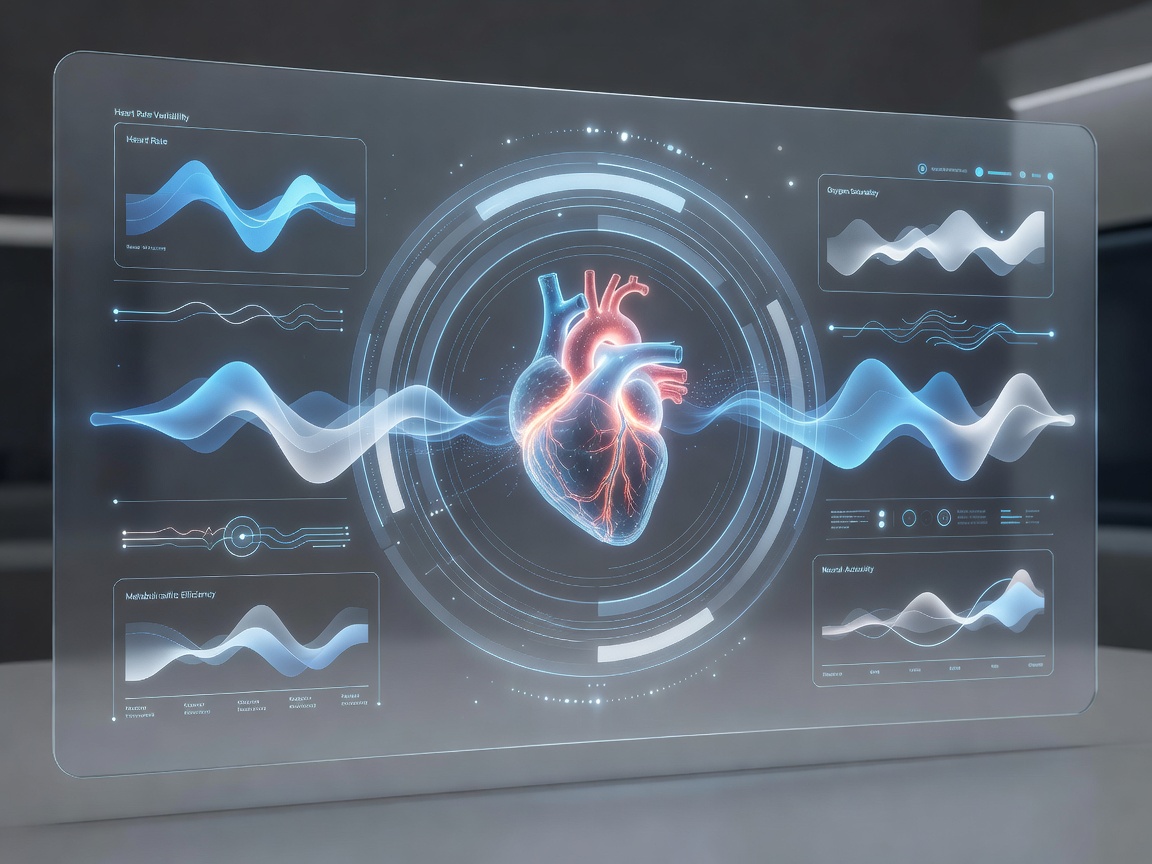
Health tracking has evolved from pedometers to complex biometric monitoring systems. However, data without interpretation is merely noise. The role of AI in health and wellness is to synthesize disparate data streams—heart rate variability, sleep stages, nutritional intake, and activity levels—into actionable, personalized insights.
The Triad of Wellness Automation
Effective AI personal assistants in the health sector focus on three core areas to improve outcomes without demanding excessive manual logging.
- Recovery Optimization: By analyzing sleep architecture alongside daytime stress metrics, AI systems can predict readiness. If your central nervous system is fatigued, the assistant will suggest light mobility work instead of high-intensity interval training.
- Nutritional Computer Vision: Manual calorie counting is tedious. Modern AI tools utilize computer vision to estimate macronutrient profiles directly from photographs of your meals, cross-referencing this with your daily energy expenditure.
- Behavioral Nudges: Machine learning identifies the micro-habits that lead to success or failure. An AI might notice that poor sleep consistently correlates with late-night screen time and will begin issuing proactive reminders to initiate a wind-down routine.
The Limits of Algorithmic Advice
While AI excels at pattern recognition, it is crucial to establish boundaries. AI systems are not medical professionals. They operate on probability models derived from aggregate population data, combined with your specific inputs. They are exceptional tools for optimizing general wellness, but they cannot diagnose pathology.
Furthermore, physiological data is highly sensitive. When selecting an AI health platform, end-to-end encryption and a strict policy against data monetization are non-negotiable requirements.
Pros and Cons
The Advantages
The greatest advantage is hyper-personalization. Generic fitness plans fail because they do not account for individual biological responses. AI constantly adjusts recommendations based on how your body is actually responding. It removes the guesswork from training volumes and recovery protocols.
The Drawbacks
Biometric tracking can sometimes lead to orthosomnia or an unhealthy obsession with optimizing metrics. If an algorithm dictates that your sleep score is low, you might feel fatigued purely through a nocebo effect, despite feeling fine upon waking. Managing the psychological relationship with health data is a critical skill when utilizing these tools.
Implementation Strategy
Begin by consolidating your data streams. Ensure your wearables sync to a centralized health repository (such as Apple Health or Google Fit). Choose an AI overlay that reads from this repository to generate insights. Focus on one metric at a time—such as improving sleep consistency—before attempting to optimize your entire physiological profile.